
Obedience is a Fruit
Holiness that is separate from legalism


…Ye shall be holy: for I the LORD your God am holy.
-Leviticus 19:2 KJV
The Law of God is a sensitive subject. It gets plenty of poor PR. Some pastors emphasize it too much, leading to people embracing legalism and boasting in their works. Alternatively, other pastors underplay its importance. This often leaves people unable to see God’s heart in the Law. Terms like “Purity Culture” have become synonymous with churches enforcing rules to make people act holy. But what does God say about His Law and our obedience?
Let’s dig in together.
Obedience to What?
The Old Testament Law presents to us God’s commandments. It addresses both inward desires and outward behaviors. The commands concern the practices of the priesthood, moral principles, reconciling civil matters. Theologians call this the “Threefold Division of the Law.” God gave a Law, but some of those laws served a specific purpose to a specific group, while others are unilaterally applied to all His people.
In the Gospel of Mark, a young man, asked Jesus how to earn eternal life. Jesus answered:
Thou knowest the commandments, Do not commit adultery, Do not kill, Do not steal, Do not bear false witness, Defraud not, Honour thy father and mother.
Mark 10:19 KJV
Jesus confronts the man with the horizontal portion of the Ten Commandments—the Second Table of God’s Law—as a measure of righteousness. The man responds:
…Master, all these have I observed from my youth. Then Jesus beholding him loved him, and said unto him, One thing thou lackest: go thy way, sell whatsoever thou hast, and give to the poor, and thou shalt have treasure in heaven: and come, take up the cross, and follow me. And he was sad at that saying, and went away grieved: for he had great possessions.
-Mark 10:20–22 KJV
The irony is this: he condemns himself by the First Table of the Law. The vertical portion disproves his claim to have perfectly kept the Second Table. Jesus had already told him that only God is good (Mark 10:18). Jesus sees through the facade and tells him to follow Him. His unwillingness to follow Jesus, as an answer to his question of how to receive eternal life, is a telling response.
His silence is deafening.
What Does God Love?
This encounter parallels well with Jesus’ dealings with the Pharisees. He condemned and rebuked them often, for their hearts made their obedience repugnant.
Woe unto you, scribes and Pharisees, hypocrites! for ye are like unto whited sepulchres, which indeed appear beautiful outward, but are within full of dead men’s bones, and of all uncleanness. Even so ye also outwardly appear righteous unto men, but within ye are full of hypocrisy and iniquity.
Matthew 23:27–28 KJV
Jesus on other occasions cites the prophet Hosea, asserting that God delights in mercy, not sacrifices (Matthew 12:7). Jesus identifies the Pharisees obeyed the Law out of selfish intent. They were not motivated by a love for God. They kept the Sabbath because it made them appear righteous before others.
But if ye had known what this meaneth, I will have mercy, and not sacrifice, ye would not have condemned the guiltless. For the Son of man is Lord even of the sabbath day.
Matthew 12:7–8 KJV
What Do We Do Now?
The central message of the Cross is this: Christ has redeemed us from the demands of the Law. The Savior’s life fulfilled the Law on our behalf; and His death has ransomed us from the grave. We are rescued from the penalty of sin; the Law which condemned is now in His hands. Christ now offers us a different Law—what certain Puritans called the Law of Faith.
The Law of works is the law to be done, that one may be saved; the law of faith is the law to be believed, that one may be saved; the law of Christ is the law of the savior, binding his saved people to all the duties of obedience, (Gal. 3:12, Acts 16:31).
-Edward Fisher, The Marrow of Modern Divinity (1645)
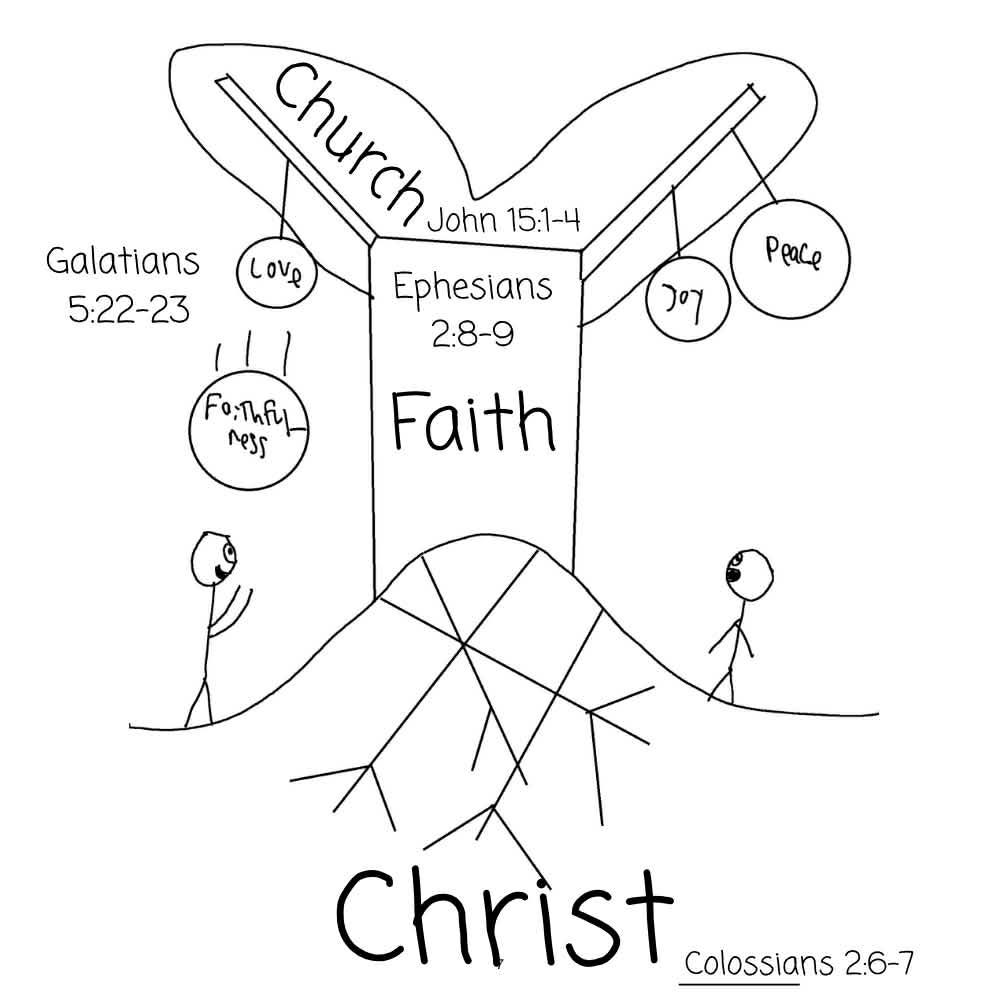
Behold my Poorly Drawn Visual Aid
The Law of Faith is the call to repent and believe. As converted Sinners, the Spirit enables and empowers us to keep the Law—our rule of life. Holiness is our calling; without it, none shall see the Lord (Hebrews 12:14). We are called to obey the Ten Commandments; but out of love and gratitude; rather than fear. Christ has done all the work necessary for our Salvation. Obeying God’s Law is the fruit of the saving Gospel of God. As people ransomed from death, let us go forth and bear fruit. Obedience is that fruit.
Consider Jesus.
The Lo-Fi Theologian - Warm Doctrine for Weary Souls